• Home
  • /
  • Pain Relief

Pain Relief

Pain relief medicines, or analgesics, help manage Pain caused by injury, illness, or chronic conditions. They include types like NSAIDs, acetaminophen, opioids, and nerve pain medications. These drugs work by blocking pain signals or reducing inflammation. Use them as directed to avoid serious side effects or drug interactions. To Shop for Top painkillers at the best price, you can choose us; we have a list of top generic brands which are affordable and highly effective.
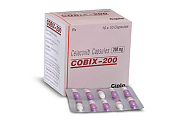
Cobix 200 Mg

Generic: Celecoxib

Brand: Celebrex

$ 0.41
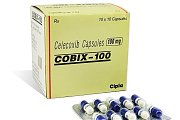
Cobix 100 Mg

Generic: Celecoxib

Brand: Celebrex

$ 0.20
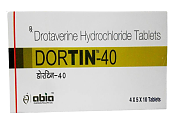
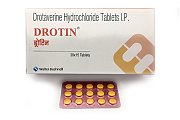
Drotin 40mg

Generic: Drotaverine

Brand: Drotaspa

$ 0.10
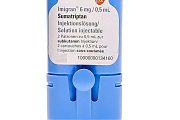
Imigran Subject 6mg/0.5ml

Generic: Sumatriptan

Brand: Imitrex

$ 28.90
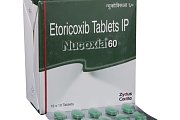
Nucoxia 60Mg

Generic: Etoricoxib

Brand: Etozox

$ 0.37
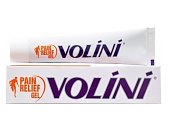
Volini Gel

Generic: Diclofenac Gel BP

Brand: Voltaren

$ 4.50
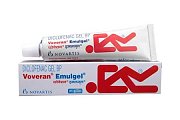
Voveran Gel 1% 21Gm

Generic: Diclofenac Gel BP

Brand: Voltaren Gel

$ 3.90
Drotin 80 Mg

Generic: Drotaverine

Brand: Drotaverine

$ 0.10
Gabapin 400 Mg

Generic: Gabapentin

Brand: Neurontin

$ 0.64
Gabapin 600Mg

Generic: Gabapentin

Brand: Neurontin

$ 0.86
Gabapin 800 Mg

Generic: Gabapentin

Brand: Neurontin

$ 0.96
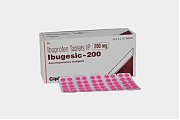
Ibugesic 200Mg

Generic: Ibuprofen

Brand: Motrin

$ 0.11
Ibugesic 400 Mg

Generic: Ibuprofen

Brand: Motrin

$ 0.12
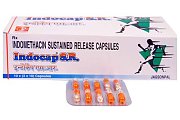
Indocap SR 75mg

Generic: Indomethacin

Brand: Indocin

$ 0.30
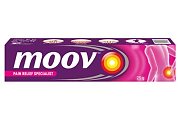
Moov Gel 25gm

Generic: Wintergreen Tel +Pudina Ka Phool

Brand: Moov Gel

$ 4.54
Nabuflam 500 Mg

Generic: Nabumetone

Brand: Relafen

$ 0.28
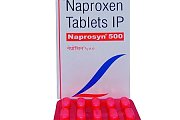
Naprosyn 500 Mg

Generic: Naproxen

Brand: Naprosyn

$ 0.36
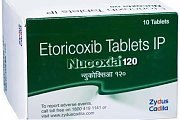
Nucoxia 120 Mg

Generic: Etoricoxib

Brand: Etozox

$ 0.61
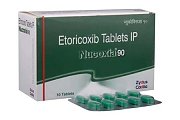
Nucoxia 90 Mg

Generic: Etoricoxib

Brand: Etozox

$ 0.43
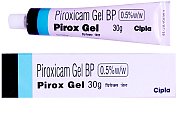
Pirox Gel

Generic: Piroxicam

Brand: Feldene

$ 3.52
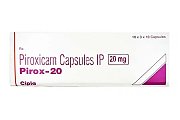
Pirox 20 Mg

Generic: Piroxicam

Brand: Feldene

$ 0.16
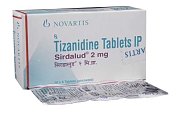
Sirdalud 2mg

Generic: Tizanidine HCl

Brand: Zanaflex

$ 0.52
Suminat 100 Mg

Generic: Sumatriptan

Brand: Imitrex

$ 5.00
Suminat 25mg

Generic: Sumatriptan

Brand: Imitrex

$ 1.87

What are Pain Relief Medicines?

Pain relief medicine, also known as an analgesic, is used to reduce or manage Pain caused by injury, illness, or chronic conditions.

These medicines work by blocking pain signals in the brain or reducing inflammation.

Common types of painkillers are paracetamol, NSAIDs (like ibuprofen), and opioids for stronger Pain.

Always use them as directed to avoid side effects or dependence.

Also, These painkillers come as over-the-counter and under a doctor's prescription.

What are the Types of Pain Relief Medicines?

There are several types of pain relief medicines available over-the-counter and

Nonsteroidal Anti-inflammatory Drugs (NSAIDs)

These medicines reduce inflammation, Pain, and fever. Common examples of NSAIDs include ibuprofen and naproxen. They are widely used for arthritis, sprains, muscle aches, and menstrual Pain.

Acetaminophen (Paracetamol)

Paracetamol is ideal pain relief medicine for mild to moderate Pain and fever. Unlike NSAIDs, it doesn't reduce inflammation but is gentler on the stomach. It is a suitable drug for regular use in headaches or cold-related Pain.

Opioid Analgesics

Drugs like morphine, codeine, or Tramadol are reserved for severe or post-surgical Pain. They block pain signals in the brain but have a high risk of dependency. You should use opioid analgesics drug only under medical supervision.

Antidepressants Used for Pain (e.g., Amitriptyline)

These medicines help manage chronic nerve pain, especially in fibromyalgia or diabetic neuropathy. They work by altering neurotransmitters involved in pain perception. These drugs can even ease pain perception if the patient isn't depressed.

Anticonvulsants for Nerve Pain (e.g., Gabapentin, Pregabalin)

Originally used for seizures, Anticonvulsants are effective in controlling nerve-related Pain. They're often used for conditions like shingles, sciatica, or diabetic neuropathy. Anticonvulsants calm overactive nerves and ease pain.

Topical Analgesics (e.g., Capsaicin, Lidocaine)

These are creams, gels, or patches applied directly to the skin over painful areas. They numb the area or reduce pain signals, making them ideal for joint or localized nerve pain.

Muscle Relaxants (e.g., Cyclobenzaprine)

Muscle Relaxants help in short-term relief of muscle spasms; these drugs act on the central nervous system. They're helpful for lower back pain or tension-related injuries.

COX-2 Inhibitors (e.g., Celecoxib)

A newer type of NSAID that specifically targets the COX-2 enzyme involved in inflammation. They cause less stomach irritation, making them a safer long-term option for arthritis pain.

How do Pain relief Medications work?

Different types of pain relief medications work differently to ease pain symptoms.

Pain reliever drugs like NSAIDs work by blocking the production of chemicals that cause Pain, fever, and inflammation.

They help reduce swelling and ease discomfort at the source of Pain.

Opioids relieve severe Pain by binding to opioid receptors (mu, delta, kappa) in the brain and spinal cord.

This blocks the transmission of pain signals and alters the brain's perception of Pain, providing powerful relief.

However, Peripheral Pain starts from nerve endings in injured tissues.

Central Pain is linked to how the brain and spinal cord process pain signals.

Certain medications are designed to address one or both mechanisms for better results.

Many drugs, anticonvulsants and antidepressants reduce nerve cell excitability or alter neurotransmitter levels.

This interruption in signal flow helps manage chronic or neuropathic Pain.

These drugs calm the overactive pain pathways to ease the feeling of Pain.

OTC vs Prescription Pain Relief Medications

Over-the-counter (OTC) painkillers are available without a doctor's prescription.

Many pain relief medicines are available under prescription due to stronger effects or potential risks.

Some examples of Common OTC Painkillers include Ibuprofen, Paracetamol (Acetaminophen), and Aspirin.

These common OTC options help to relieve mild to moderate Pain, fever, and inflammation.

But, Frequent or high-dose use of OTC painkillers can also lead to health risks.

They can cause liver damage, kidney issues, or gastrointestinal bleeding, in case if taken improperly or with alcohol.

Moreover, Severe Pain from surgery, cancer, nerve damage, or chronic musculoskeletal disorders often needs prescription drugs.

Doctors usually prescribe painkillers like opioids, stronger NSAIDs, or nerve-targeting agents.

Prescription painkillers are typically more potent or longer-lasting than OTC meds.

Doctors may sometimes combine many ingredients for complex conditions.

What are the Usage Guidelines for Pain Relief Medicines?

Always follow the exact dosage on the label or as prescribed.

Ensure to Avoid exceeding the daily limit, especially with acetaminophen or NSAIDs.

Using these drugs more frequently can cause liver or kidney damage.

Children, older adults, and those with chronic illnesses may need adjusted doses.

Some medicines are not safe for certain age groups due to risks like bleeding or slowed metabolism.

For long-term Pain, doctors may recommend a fixed schedule rather than taking drugs only when Pain flares up.

This helps maintain consistent relief and improves daily function.

If Pain worsens, persists beyond a few days, or causes swelling, fever, or unusual symptoms, consult a doctor.

Also, seek help if side effects occur and avoid using painkillers longer than needed.

Long-term use, especially of opioids or NSAIDs, can lead to dependency.

What are the Side Effects and Risks of pain relief medicines?

Regular use of NSAIDs like ibuprofen can irritate the stomach lining.

Thus, it can increase the risk of ulcers and gastrointestinal bleeding.

Older adults or those with prior GI issues are more likely to face these symptoms with NSAIDs.

Opioids like morphine or codeine can cause physical dependence and addiction.

Long-term use with medical supervision can be risky.

Taking high doses of acetaminophen, especially over 4,000 mg/day, can lead to severe liver damage.

The risk increases with alcohol use or combining multiple medicines containing acetaminophen.

Painkillers may cause allergic reactions, ranging from mild rashes to life-threatening anaphylaxis.

Symptoms like swelling, itching, or breathing difficulty need immediate medical attention.

Also, Prolonged misuse of pain relievers can cause:

  • Kidney damage
  • Heart problems
  • Hormonal imbalances
  • Mental health issues
  • Reduce effectiveness over time
  • Dependency

What are the Drug Interactions for Pain Relief Medicines?

Blood Thinners:

Using NSAIDs (like ibuprofen) with blood thinners (like warfarin) can significantly raise the risk of bleeding. Interaction among these drugs can cause dangerous internal or gastrointestinal bleeding.

Tramadol

Taking SSRIs (antidepressants) with Tramadol may increase the risk of serotonin syndrome. It's a serious condition that causes high fever, agitation, rapid heart rate, and muscle stiffness.

CYP450 Interactions

Many pain medications are metabolized by liver enzymes like CYP3A4 and CYP2D6. Drugs that affect these enzymes can either reduce the effectiveness or increase the toxicity of pain meds.

Polypharmacy in Elderly Pain Management

Older adults often take multiple medications, increasing the risk of interactions. Careful selection and monitoring of pain relievers are essential to avoid harmful effects.

Alcohol and Pain Meds

Combining alcohol with painkillers, especially opioids or acetaminophen, can increase the risk of liver damage, sedation, dizziness, and respiratory depression. It also heightens the chance of overdose.

What are the precautions and safety advice related to Pain Relief medicine?

  • Alcohol with opioids or acetaminophen can cause a risk of liver damage, drowsiness, and breathing issues. It can also raise the chance of overdose. Thus, make sure to avoid using alcohol while taking a painkiller.
  • Overuse of NSAIDs or acetaminophen can damage the liver, kidneys, or stomach lining. Always follow your doctor’s recommended dose and length of treatment.
  • Chronic use of opioids or NSAIDs can cause dependency, tolerance, or serious side effects like GI bleeding and organ damage. Use only under a doctor's supervision and as long as advised to you.
  • Inform your doctor about all drugs, including OTC drugs and supplements, to avoid interactions.
  • People with liver disease, kidney problems, heart conditions, asthma, or ulcers should be cautious. Consult a doctor before using pain relievers, and know the precautions while using any.

Where to Shop Pain Relief Medicines Online?

Now Shop Top Pain reliever medications at the most discount prices online at allGenericMediciene.

Our Online pharmacy offers top generic healthcare meds at the best from India with express shipping.

So, if you are looking to shop for your healthcare essentials at a low cost, you can choose us.