Asthma can’t be cured, but its symptoms can be controlled. Because asthma often changes over time, it’s important that you work with your doctor to track your signs and symptoms and adjust your treatment as needed.
Asthma is a condition in which your airways swell and become narrow, making extra mucus. This further makes it difficult for you to breathe and cause coughing, & a whistling sound when you breathe out.
For some people, asthma is a minor trouble but for others, it is a big trouble as it interferes with regular activities. While suffering from this medical condition, you can experience shortness of breath and life-threatening asthma attacks.
Remember asthma cannot be cured but you can always control its symptoms with the right treatment and medicines. Since asthma changes with time, it is crucial to work with a doctor, track your symptoms, and adjust treatment accordingly.
Asthma symptoms differ from person to person. You can have infrequent asthma attacks and symptoms only at certain times. Some people experience symptoms of asthma only while exercising and others have asthma signs all the time.
Common signs and symptoms of asthma include:
Wheezing when exhaling. It is a common asthma symptom in children
Signs indicating your asthma is worsening:
For some people, symptoms of asthma flare up in specific conditions:
Exercise-induced asthma can become worse if the air is cold and dry
Occupational asthma is triggered by workplace irritants like gases, chemical fumes, or dust
Allergy-induced asthma is triggered by various airborne substances like mold spores, pollen, particles of skin, and pet dander
An asthma attack is a condition in which bands of muscle around your airways are caused to tighten. This tightening is bronchospasm.
During an attack, the lining of the airways becomes inflamed or swollen, and cells lining your airways make more and thicker mucus than normal.
All things including bronchospasm, mucus production, and inflammation cause symptoms like coughing, trouble breathing, wheezing, and problems with daily activities.
Without immediate treatment, like an asthma inhaler or bronchodilator, it will become hard for you to breathe.
When a peak flow meter is used at this time then reading is less than 50% of your usual peak flow reading.
You will not be able to use a peak flow meter at all, as your lungs will continue to tighten.
Also, your lungs will tighten due to which there is not enough air movement to wheeze. Contact your doctor right away.
Basically, asthma is categorized into two types based on the cause and severity of symptoms.
Doctors recognize asthma as:
This type of asthma comes and goes making you feel normal in between asthma flares.
Persistent asthma means a person is experiencing symptoms for a long time. These symptoms can be mild, moderate, or serious.
Doctors determine asthma severity on how often you are having symptoms. They also see how well you do things during the attack.
Here are some factors that increase your risk of suffering from asthma:
Having allergies can increase your risk of developing asthma or experiencing asthma attacks.
You can develop asthma after exposure to various things that cause irritation to your airways.
These substances mainly include fumes, allergens, second- or third-hand smoke, and toxins.
All these are harmful to infants and young children who have weak immune systems.
In case, your family has a history of asthma or allergic diseases then you have a high risk of developing asthma.
There are certain respiratory infections like respiratory syncytial virus (RSV), that can damage lungs in young developing children.
Based on the nature of the action and effects produced, asthma medicines can be categorized.
Below-stated are the types of asthma medicines:
Several people require asthma medicine on a regular basis to effectively prevent asthma and its symptoms.
This type of treatment can take time of few months to show its effects. But it is necessary to follow the doctor’s direction.
Here are long-term use asthma medications:
These anti-inflammatory medications decrease symptoms of swelling and constriction in muscle & blood vessels along airways.
Corticosteroids have high effectiveness and are used for managing asthma in the long term.
Inhalers are used to get these into the lungs and need to be taken every day. They include fluticasone, budesonide, and beclomethasone.
When triggered, your immune system starts releasing chemicals known as leukotrienes which activate inflammatory symptoms of asthma.
Leukotriene modifiers help alter this behavior and prevent symptoms for almost 24 hours.
Some of Leukotriene modifiers include montelukast, zileuton, and others.
Short-use asthma medicines show quick action and work on the lungs by relaxing and loosening the airway.
When taken, they start working within minutes and last for almost a few hours. These medicines are safe for daily usage.
These rescue inhalers are helpful in providing quick relief from asthma symptoms and are used only twice a week.
Some commonly used short-acting beta-agonists include Albuterol and Levalbuterol.
These medications decrease swelling and inflammation in your airways. Take them with a rescue inhaler for asthma attacks.
Systemic corticosteroids can be taken orally or given intravenously to experience quick action.
Some common systemic corticosteroids include Methylprednisolone, Prednisolone, and others.
These are bronchodilators that air with expanding your airways muscles & used alone or with short-acting beta agonists.
Doctors prescribe some commonly used anticholinergics like Ipratropium and Tiotropium bromide.
During your treatment, make sure you take asthma medicines exactly in same way as directed by a doctor.
Before taking asthma medications, inform doctor about your medical history including:
Thus, it is easy to control asthma symptoms with the right medicines. It is important to consult a doctor on time.
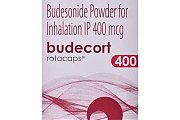
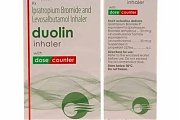
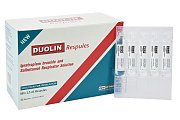
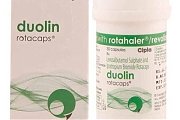
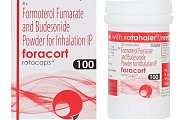
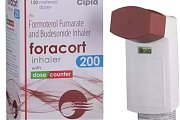
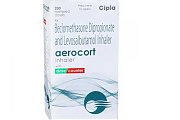
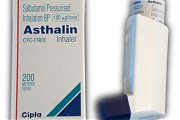
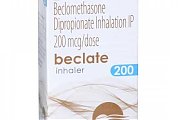
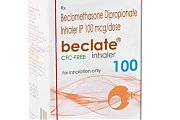
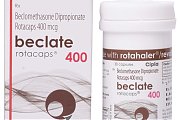
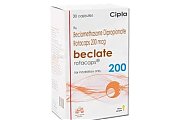
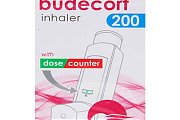
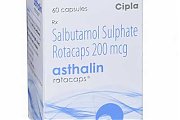
The various Asthma Medicines that can be purchased from the Online Pharmacy Store are Dexona, Duolin Inhaler, Duolin, Aerocort Forte Rotacaps, Duolin Rotacaps, Beclate Inhaler, Asthalin Rotacaps, Budecort Rotacaps, Seretide Diskus and many more. The store can deliver all these medicines across the world.





-Tab-25mg-UK-1-transformedQ5fo.jpeg)