Written by Manoj Kumar, M.Pharm (Pharmacology)
Verified Source
Manoj Kumar, M.Pharm (Pharmacology)
Clinical Pharmacologist and Drug Safety Expert
View more
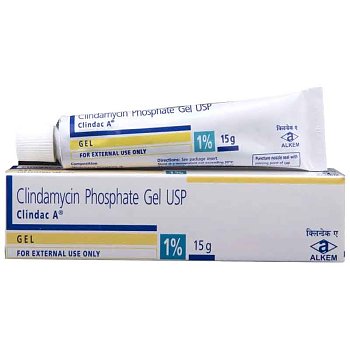
What is Clindac A 1% Gel?
Clindac A 1% gel is a topical antibiotic that doctors prescribe for treating acne, mainly when breakouts occur on your back, chest, or face.
Acne is a common skin disorder when hair follicles are blocked with oil and dead skin cells.
Clindac A 1% contains Clindamycin and belongs to a class of medications known as Antibiotics.
Clindamycin topical gel helps to minimize inflammation and prevent the formation of new pimples.
Clindac A 1% gel is sold under Cleocin T. You can buy this medicine online from licensed pharmacies after a doctor’s prescription.
How does Clindac A 1% Gel work?
Clindac A 1% gel contains Clindamycin, which prevents synthesising vital proteins that bacteria need to perform essential functions.
This further stops the bacteria from growing and prevents the infection from spreading in your body.
How do you use Clindac A 1% Gel?
Clindac A 1% Gel is for external use only. Make sure you use this medicine in the same way as the doctor recommends.
Wash your hands before and after the use of Clindamycin gel. Wash and dry the whole area and apply a thin layer once a day to the skin where acne appears.
Use enough Clindac gel to cover the completely affected area. If the medicine touches your eyes, mouth, or nostrils, immediately rinse it with water.
Depending on your age and acne condition, the doctor will determine the correct dose and duration of treatment with Clindac 1% gel.
Use Clindamycin gel regularly, even if you do not experience immediate results, as this medicine can take a few weeks to show improvement.
Avoid excessive exposure to the sun and use sunscreen, as Clindamycin can make your skin sensitive to sunlight.
Do not stop using Clindac A 1% gel too early, and continue until your doctor tells you to stop. Stopping this medicine too early can bring the infection back and sometimes make acne worse than earlier.
What are the Side effects of Clindac A 1% Gel?
Most side effects of Clindamycin gel do not require medical attention as they disappear once your body adjusts to the medicine.
Several people using Clindac gel do not experience any severe side effects.
Some common side effects of Clindac A 1% gel include:
- Diarrhea
- Dry skin
- Gastrointestinal disturbance
- Skin irritation
- Itching
- Burning sensation
Seek medical help if any of the side effects persist or worsen.
What are the Drug interactions for Clindac A 1% Gel?
Before you start using Clindac A gel, inform the doctor about all other herbal supplements and prescription & non-prescription medicines you use.
Clindac A 1% gel should not be used with the following medicines as they can cause drug interactions:
- Erythromycin
- Aminoglycosides
What are the Precautions and warnings for Clindac A 1% Gel?
Do not use Clindac A 1% gel if you are allergic to Clindamycin or have any other allergies. This medicine might contain some inactive ingredients, which can cause allergic reactions.
Before starting treatment with Clindamycin gel, inform the doctor about your medical history, especially about:
- Diarrhea
- Bloody diarrhoea
- Pseudomembranous colitis
Doctors do not recommend Clindac gel for patients with a history of regional enteritis, ulcerative colitis, or antibiotic-associated colitis.
Clindac A 1% gel should be used cautiously during pregnancy or by breastfeeding women only when the doctor recommends it.
The safety and effectiveness of Clindamycin gel in children under 12 have not been established.
How to Store Clindac: A 1% Gel?
You can store Clindac A 1% gel in a cool & dry place. Also, the medicine should be kept out of reach by children.